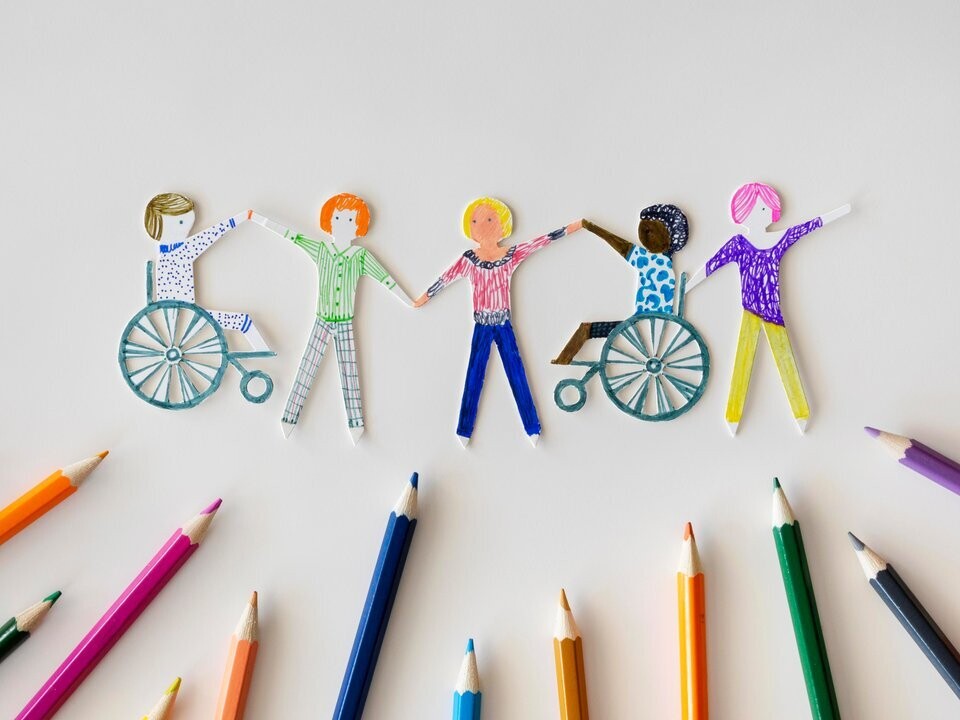
Specialists in education and health have warned that despite 16% of the world's population having some form of disability, the university-level training of healthcare professionals shows significant gaps in this area. According to representatives from the Universidad Hospital Italiano, one of the most persistent barriers is not technological or architectural, but attitudinal. "Diversity is part of daily clinical practice," added the director of the postgraduate program. The specialist from Universidad Hospital Italiano emphasized that inclusion in healthcare goes beyond physical or regulatory adaptations. "This is not just about ramps, interpreters, or protocols, but about professionals who see the person in their uniqueness," she stated. And she concluded: "The challenge is to build reciprocal inclusion, where professionals and patients recognize themselves as part of the same community." In this sense, she warned that attitudinal accessibility—related to prejudices, stereotypes, and social representations—still does not have a systematic place in undergraduate curricula, despite its direct impact on treatment and the recognition of people with disabilities as rights holders. The lack of content on disability, accessibility, and rights can lead to approaches exclusively centered on the biomedical, reducing people to their diagnoses. This enables paternalistic practices, such as infantilizing patients, making decisions for them, or addressing only their companions. In response to this, Figari emphasized that "people with disabilities exercise their autonomy, and when they need support, it is the system that must provide it, without substituting their voice." The World Health Organization (WHO) insists that health systems must be accessible, inclusive, and person-centered. For these recommendations to translate into real practices, it is essential that universities incorporate content on accessibility, rights, and diversity transversally in their programs. And that work begins in the classroom."